The right destination wedding location is the one that serves your guests, fits your priorities, and reflects your story. Not the one with the best photographs. Everything else is detail.
Most venue advice starts with capacity and catering minimums and whether the property looks good from the drone shot. None of that is wrong. But it all assumes you already know what you are choosing for, and most couples don't yet. So before you open a single resort website, here is the framework that decides everything after it. The right location filters through four things: your values, your guests, the full week, and your connection to the place.
What should you decide before you look at a single location?
Sort these four out first, and the location search stops being a sea of options and starts being a filter.
Your values, before trends. Know what matters most to you as a couple and as two families. Guest comfort. Time together across generations. Quiet spaces for connection, or grand ones for spectacle. A real sense of place, or the ease of a resort that handles everything. These are not preferences to discover mid-tour. They are the standard every option gets measured against.
Your guests, honestly counted. The cliffside terrace with forty steps and no railing is a different choice once you picture your grandmother climbing it. Be straight with yourself about what you are asking of elderly relatives, of guests flying internationally for the first time, of families traveling with small children. A location loses its beauty fast when the people who matter most arrive worn out.
The full week, not the ceremony. Your guests are with you for days, not hours. A place that delivers one stunning ceremony backdrop and nothing for the surrounding days is doing part of the job. The right location gives every day something: meals together, room to gather, space for the conversations that don't happen in a four-hour reception.
Your connection to the place. Does the destination touch your story? The country a grandparent came from. The city where you met. A place that stands for something you both value. Not every location needs a personal history. But a place with no connection to who you are will always feel slightly borrowed.
What are the main types of destination locations?
Destinations sort into three broad types, and the type you choose sets your planning model before you pick a single vendor. That last part is the piece most couples learn too late.
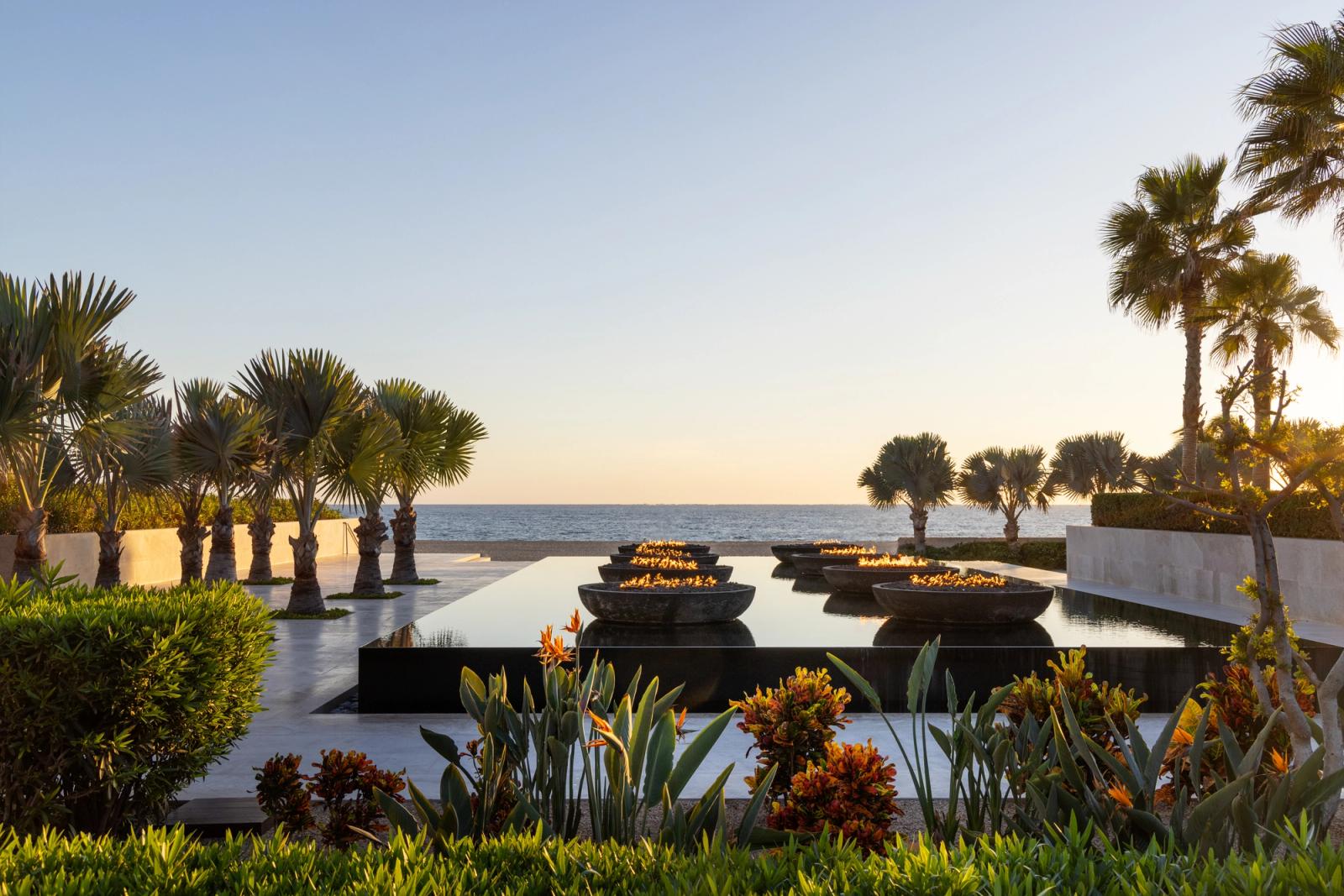
Beach and resort destinations. The Caribbean, Mexico, the tropical islands. Convenience, direct flights from most US cities, and often an all-inclusive structure. The planning consequence: an all-inclusive resort comes with an on-site coordinator, a set menu structure, and a contained footprint. More of the machine is built for you. You are working within a system rather than building one.
Cultural and historic destinations. Europe, parts of Asia, places with depth of food, wine, and history. The planning consequence is the opposite of the resort model. A private villa or estate is closer to a blank site. You bring the caterer, the rentals, the power and lighting plan, the full vendor team. Neither model is better. They are different kinds of work, and they suit different couples.
Adventure and nature destinations. Dramatic landscape, mountains, rainforest, remote coast. These reward active couples with families who travel well. They also ask the most of your guests in logistics and stamina, which loops straight back to your honest guest count.
Match the type to what you decided in the first section, and your list will narrow significantly.
Which location fits your story?
If connection to the place is one of your filters, these are the patterns that give a location meaning beyond scenery. Most couples recognize themselves in one.
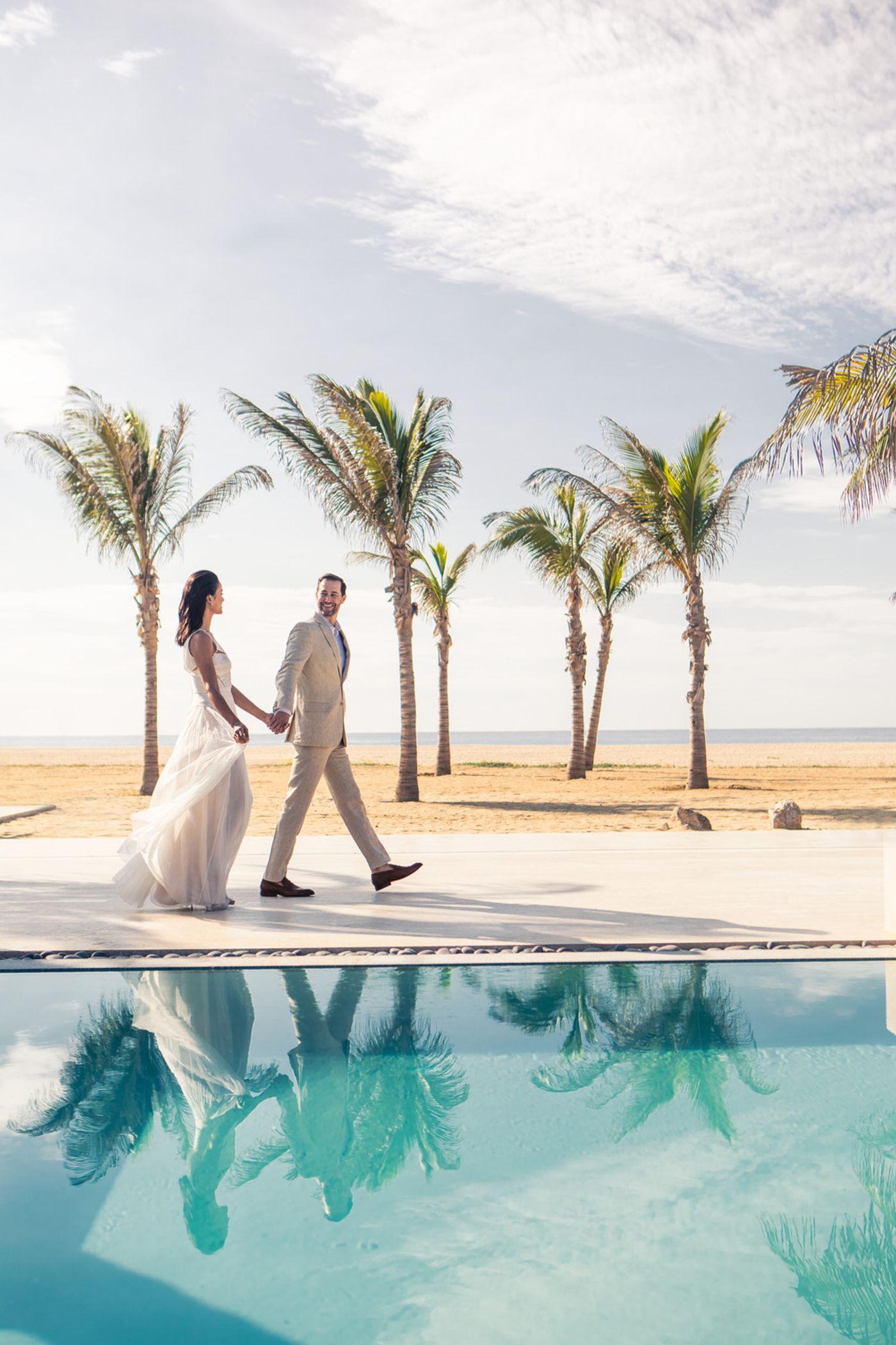
The return-to-roots location. Marrying in the country your grandparents left, or your family's long-standing vacation place. It ties your marriage to the generational story that made it possible.
The relationship-milestone location. The city where you met, got engaged, or lived through something that changed you both. The wedding happens somewhere already woven into your history.
The family-gathering location. Chosen so families can stay together and share several days, not just attend an event. The place is doing one job above all others: keeping everyone in one spot long enough to matter.
The values-aligned location. A place that reflects what you stand for. Eco-conscious properties, communities you want to support, destinations known for genuine hospitality rather than performance.
What do most couples miss when choosing a location?
This is where the difference between a photo and a plan shows up. Three things rarely make the Pinterest board, but actually quietly decide how the week truly goes.
Count the connections, not the flight hours. A direct flight and a one-connection itinerary are two different weddings for the people you love. Cancún, Los Cabos, and Punta Cana run direct from most US hubs. Europe usually means a connection and an overnight. Fiji, Bali, and the Maldives mean long-haul plus one or two connections. Look at the itinerary your oldest guest will actually fly, not the map distance.
The legal marriage is a separate decision from the celebration. In some countries, getting legally married is its own project. France requires one of you to reside in the town for roughly 40 days before a civil ceremony, which is why the large majority of international couples complete the legal marriage quietly at home and hold a symbolic ceremony at the destination. Italy has no residency rule but runs weeks of paperwork (certificates, apostilles, official translations). The takeaway is freeing: once you separate the legal signature from the celebration, the location stops being constrained by that country's marriage bureaucracy. You choose the place for the celebration, and handle the paperwork wherever it is simplest.
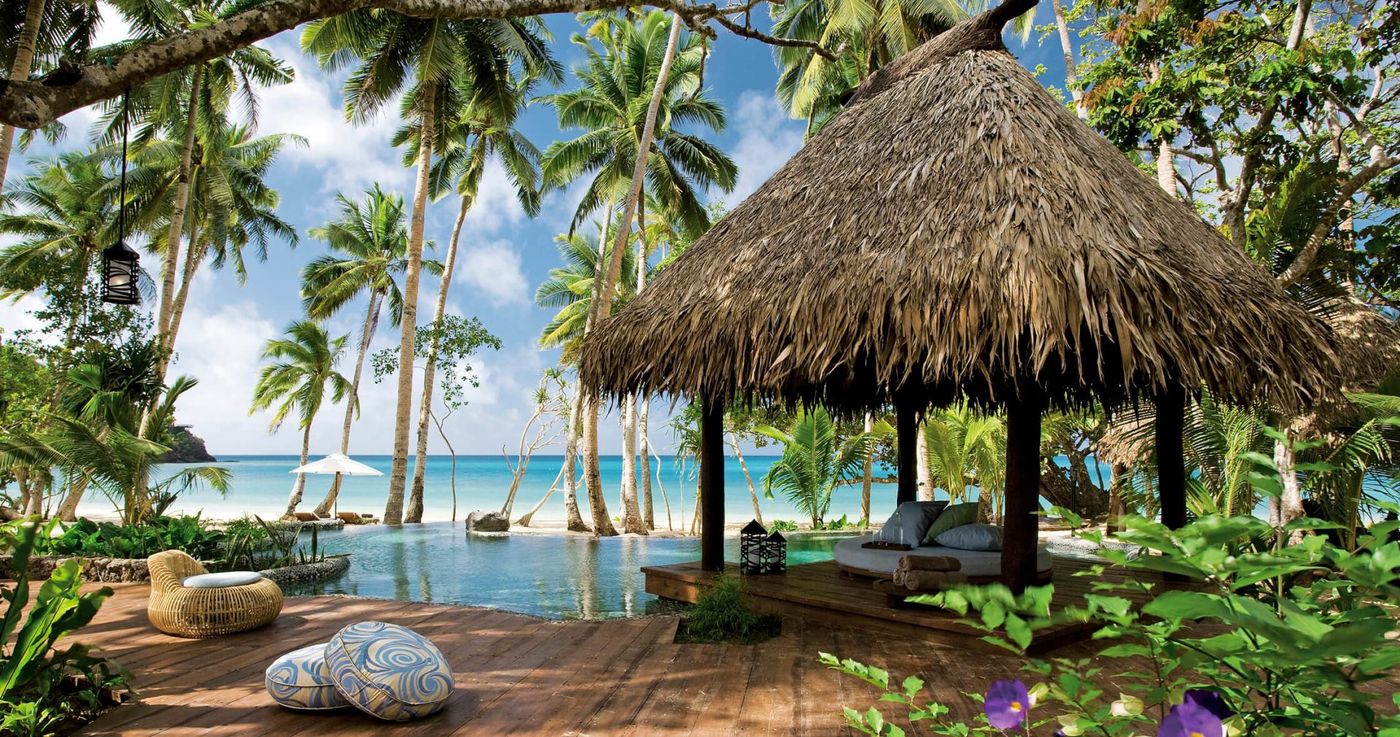
The season is a risk profile, not a weather footnote. In the Caribbean and Mexico, the lower-rate season overlaps hurricane season (roughly June through November, with the sharpest risk late summer into fall). The South Pacific's high tourist season is May-October, while November to April marks it's wet season with a higher chance of heavy (but typically short-lived rain showers) and the possibility of cyclones. Choosing a location means choosing its calendar.
How do you know a location is wrong for you?
You will know a location isn't right when you catch yourself explaining away its problems.
"Grandma probably won't mind the stairs." "It's a long travel day, but people can sleep on the plane." "It's not my favorite, but it photographs so well." Each of those sentences is the location telling you something. The justifying is the tell. When the reasons for a place start outnumbering the reasons for the people, the standard you set in section one is being quietly lowered. The strongest choices come from stopping at that moment instead of talking past it.
Where should you actually start?
Before the shortlist, before the site visits, before a single inquiry: decide what your celebration is for. The couples who move through location and venue selection with the least friction are the ones who did that work first. They knew their values. They had the honest family conversations. They understood what the week needed to honor before they compared a single property.
That is the entire foundation, and it is what the Legacy Wedding Blueprint walks you through. The values framework and the decision tools in Part 3 are not abstract exercises. They are the filter your location search runs on. Couples who complete it walk into every conversation, including destination wedding planning and venue tours, knowing what to say yes to and why.
The Blueprint is complimentary, and it lives at legacy.aisle-to-islands.com.
The location that is right for your wedding probably isn't the one with the best hashtag. It will be the one your grandmother reaches comfortably, where your families find each other across several days, where the setting means something past the scenery. That location doesn't give you a less beautiful wedding. It gives you one that holds up, in the photographs and in the memory of everyone who traveled to be there.
Frequently asked questions
How far in advance should we choose our destination wedding location? Choose the location once you have settled your priorities and had the family conversations, not before. For most couples that lands 9 to 12 months out from the wedding. The location decision drives your room block, your guests' travel, and your budget, so it is the domino the rest depends on.
Should we get legally married at home or at the destination? Most international couples marry legally at home and hold a symbolic ceremony at the destination, because many countries attach residency requirements or lengthy paperwork to a legal marriage. Separating the two frees you to choose the location for the celebration rather than the bureaucracy.
Is an all-inclusive resort or a private villa better for a destination wedding? Neither is better. An all-inclusive resort provides a coordinator, a set structure, and a contained footprint, so more is handled within one system. A private villa or estate is closer to a blank site, where you build the vendor team yourself. The right answer depends on the priorities you set first.
What is the biggest mistake couples make choosing a location? Choosing for photographs before deciding what the celebration needs to serve. The picture is the last filter, not the first.
Ready to start with the foundation? Create your profile in The Legacy Wedding Blueprint before your venue search begins.
Related Reading: