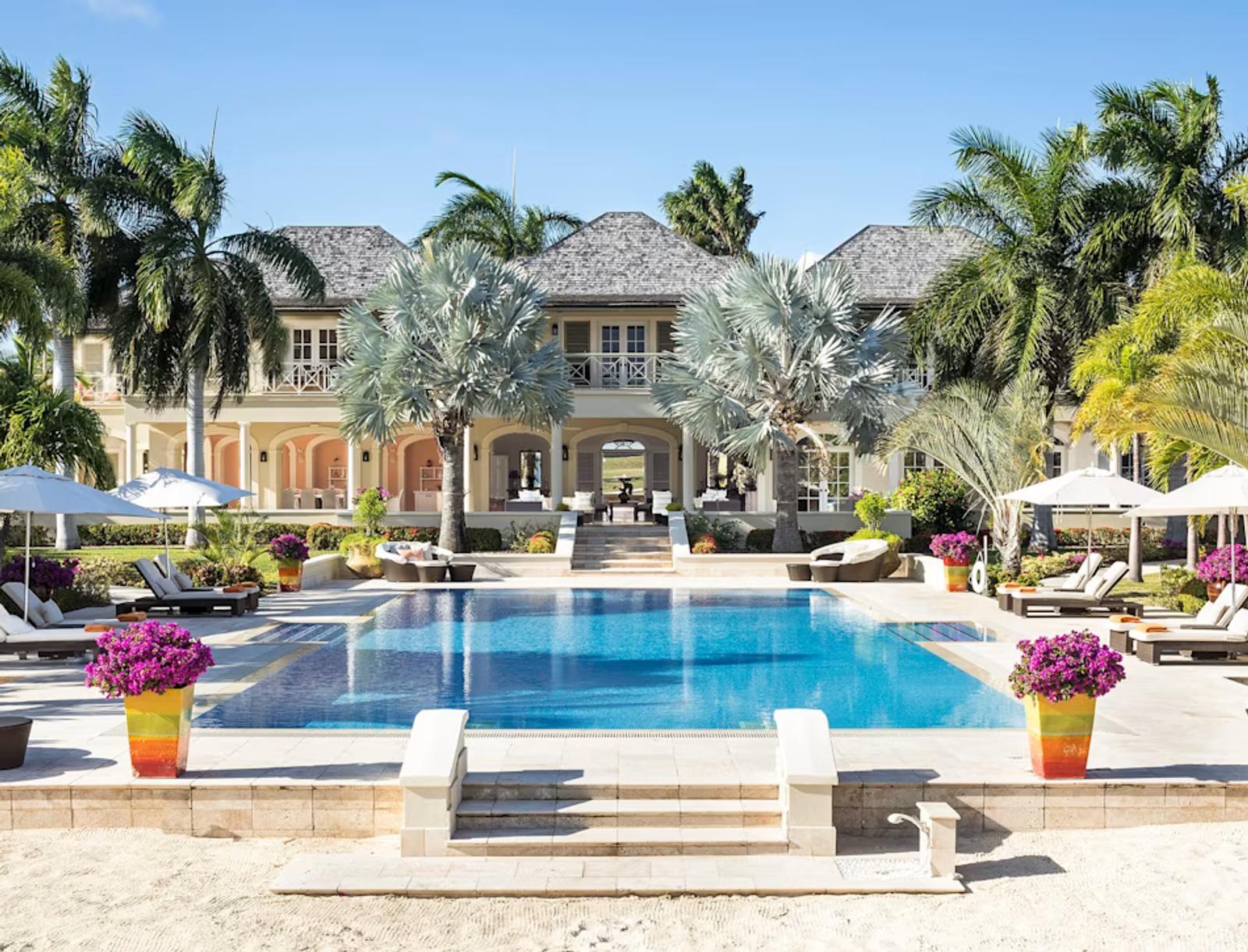
Jumby Bay Island is a 300-acre private island off Antigua, part of the Oetker Collection, and it suits one kind of couple in particular: the couple who already knows what they want and wants it done quietly. Classic over trendy. Genuine over announced. A celebration where the setting and the service do the work, without a single element trying to prove anything.
If that is your celebration, this is a property worth understanding in detail, because the things that make Jumby Bay right for a wedding are not the things in the photographs. They are structural: how you reach the island, how the accommodations are built, what a full-island buyout actually requires, and what the all-inclusive rate does and does not cover.
Who chooses Jumby Bay Island for a wedding?
There is a specific couple who gravitates here, and it is worth discussing, because fit is the whole story with this property.
You have reached a point where luxury is the standard you expect rather than a novelty you are chasing. You are not planning a wedding to make a statement or fill a feed. You value quality that does not announce itself. You have traveled enough to tell the difference between hospitality that is genuine and hospitality that is performed, and you would rather have the first kind without being reminded how premium it is.
You want your wedding to reflect those values. Private. Classic. Done properly. Warm rather than showy. If that reads like you and your fiancé, Jumby Bay was built for the way you already think.
What is Jumby Bay Island, exactly?
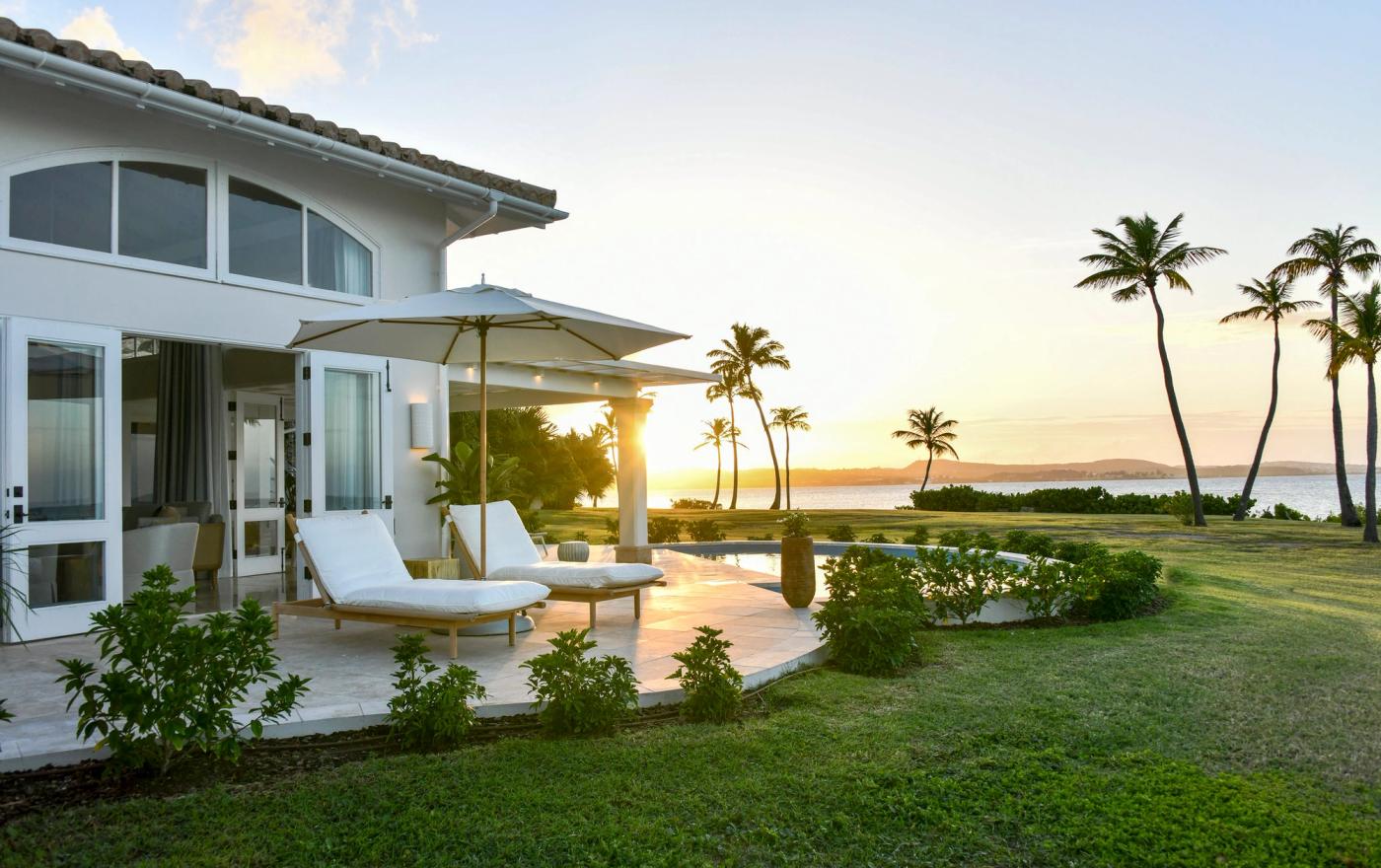
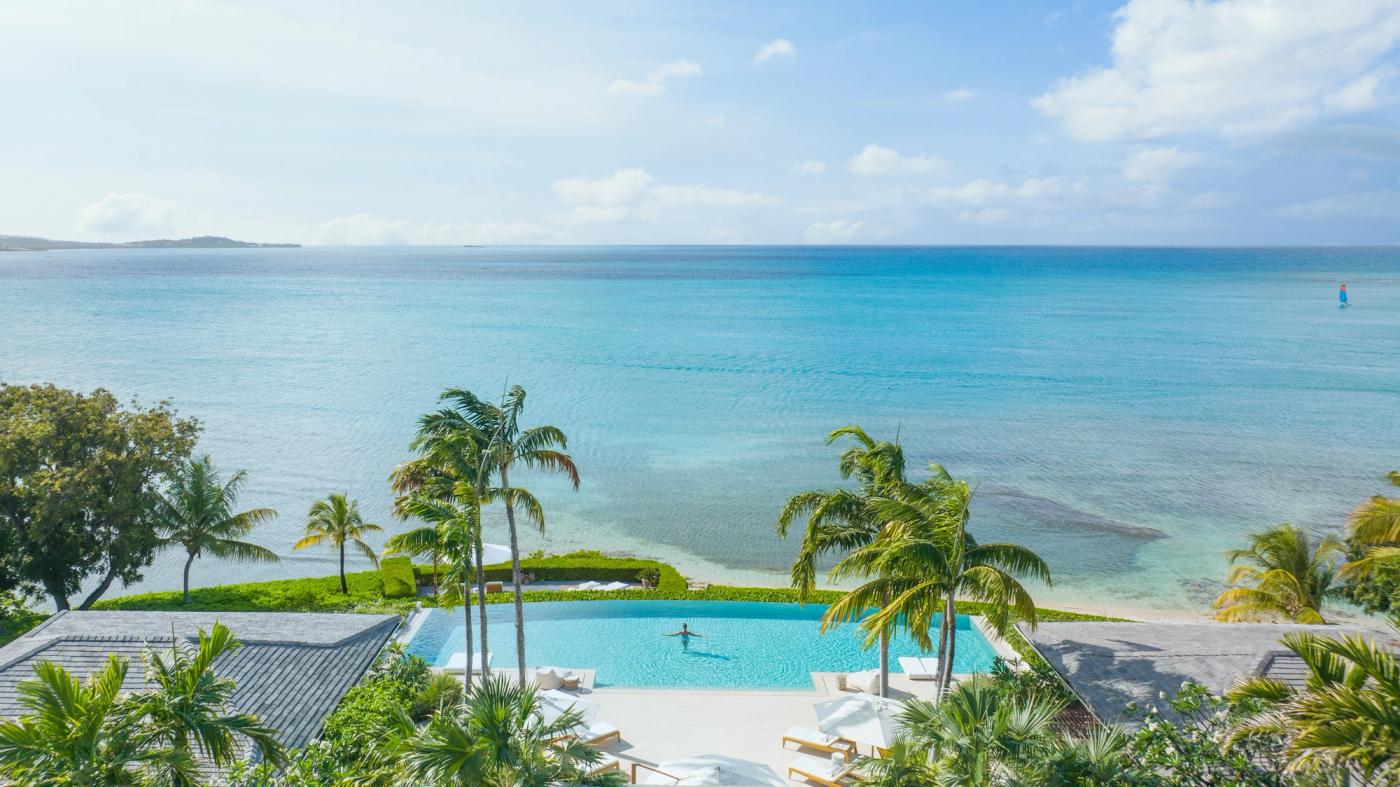
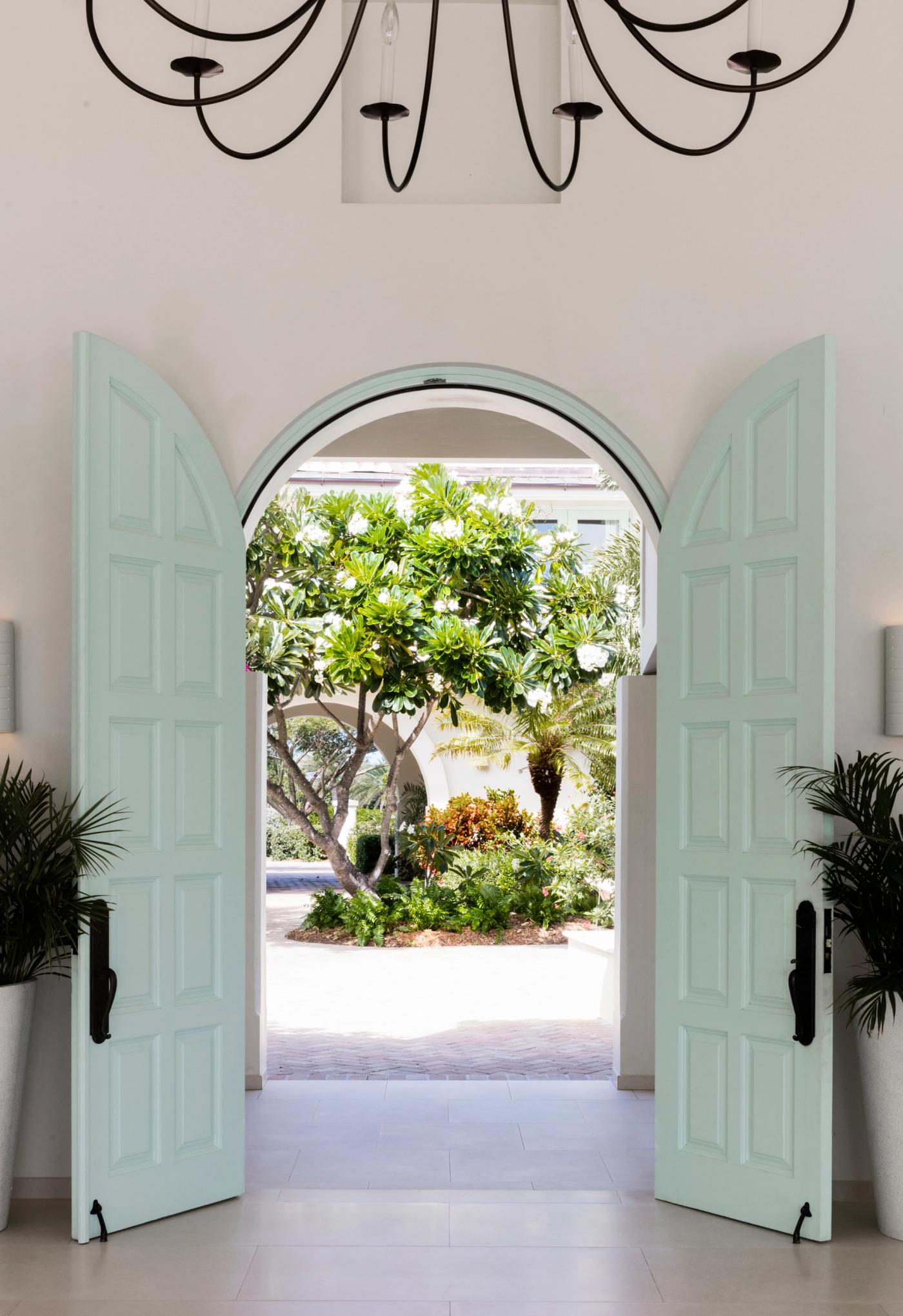
Jumby Bay sits on its own 300-acre island off Antigua's northeast coast, reached by a private boat transfer of under ten minutes from the main island. It belongs to the Oetker Collection, the family-owned European group behind Hotel du Cap-Eden-Roc and Le Bristol Paris, which tells you the service lineage without anyone having to describe it.
The accommodations come in three tiers. Jumby Bay spans roughly 40 oceanfront cottages, 13 villas, and 22 private estates. The estates are privately owned residences (Jumby Bay is a residential island), which is part of why the service feels more like a well-run private home than a hotel. For a wedding, that range is what you plan around: house the core multigenerational family in a private estate with its own staff, put the couple in a villa with butler service, and place the wider guest list in the oceanfront cottages. One island, with the right balance of connection and privacy across your guest list. (Because the estates are owned rather than resort-run, their availability for a given date depends on which owners have released them, so availability for a large block is worth checking when you have your dates.)
The island is also a conservation property, with coral-reef restoration and a sustainability program woven through the experience. For a couple who wants the place itself to reflect what they value, that is a real part of the story, not a marketing line.
One practical note on the aesthetic. This is classic Caribbean. Not design-forward, and not blank-canvas contemporary. A couple looking for an experimental, build-it-from-nothing venue should be looking at a different kind of property. A couple who wants a setting that will look right in the photographs thirty years from now is looking at this one.
Can you buy out the whole island for your wedding?
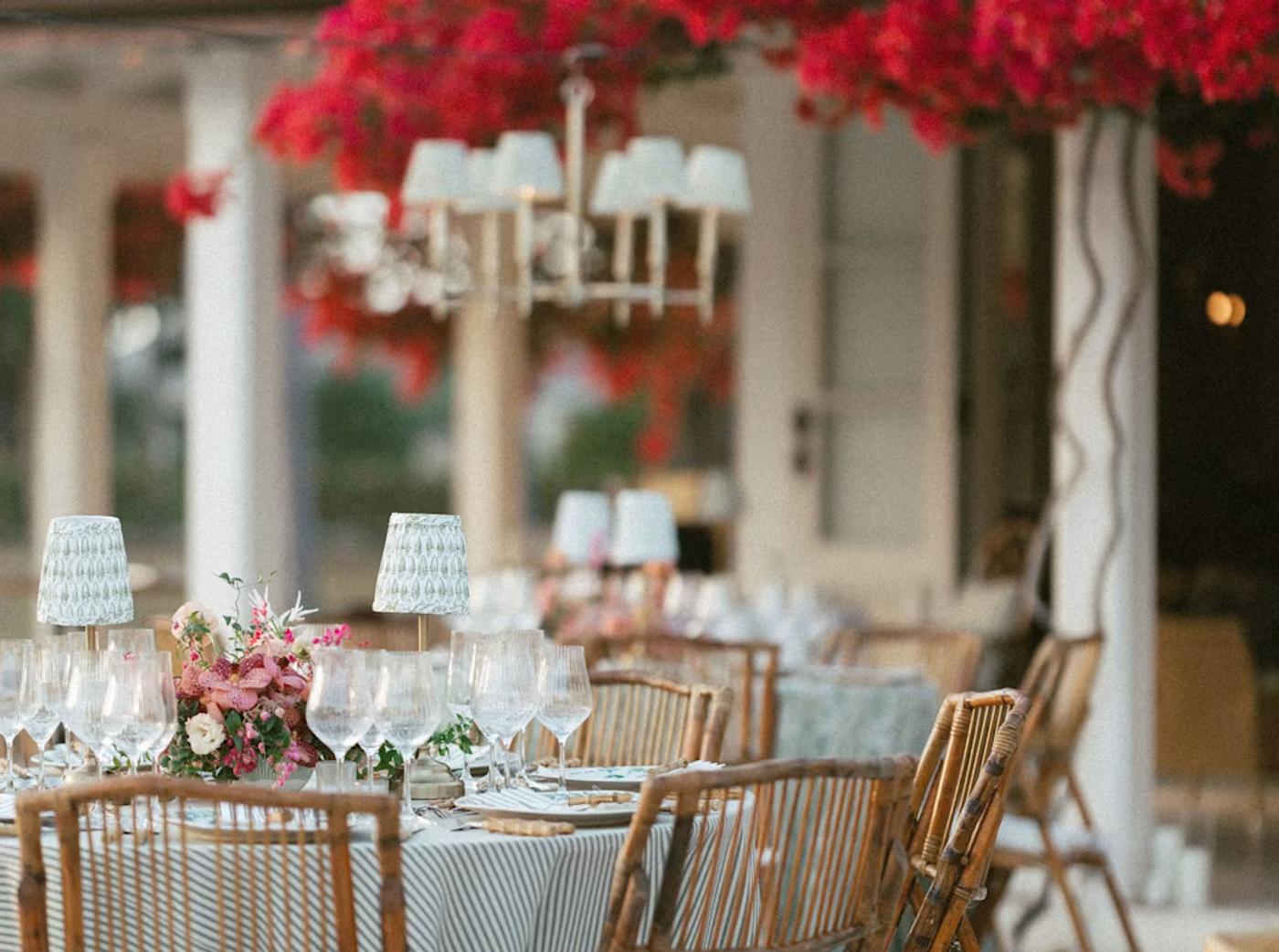
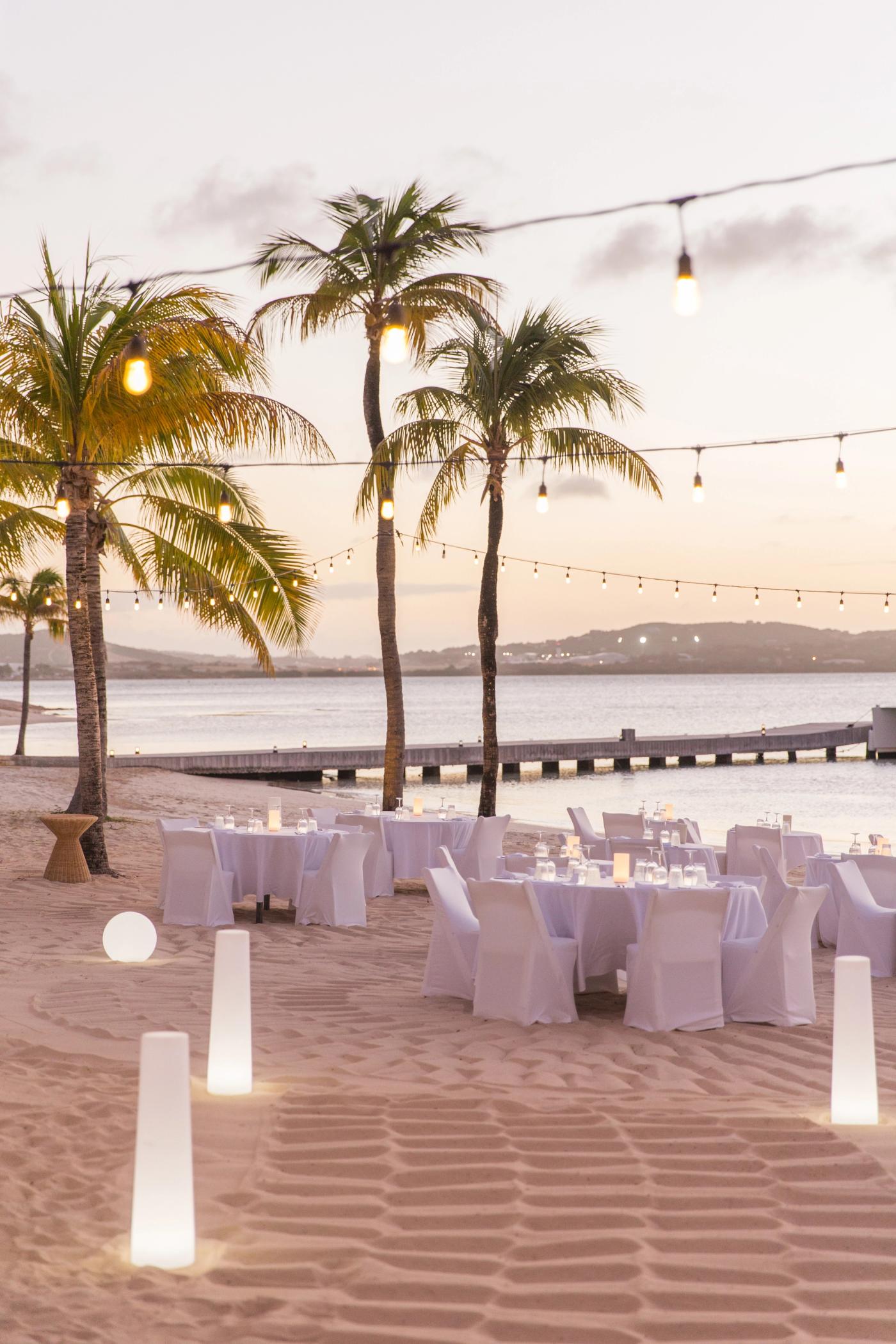
Yes, and this is the fact that separates Jumby Bay from nearly every other Caribbean option. The resort allows hosts to reserve the entire island for complete privacy. Your celebration is not sharing the property with unrelated guests, because for the length of your booking, there are no unrelated guests.
Short of a full buyout, group celebration bookings still take a meaningful share of the island. Jumby Bay's private-island celebration offering sets a minimum in the range of seven cottages, two villas, or two private estates, with multi-night stay minimums attached. That gives you the scale of what a wedding block here looks like: this is a property you take a piece of, or all of, not one where you book a room and hope for privacy.
Here is where the three-tier structure becomes a planning instrument. You can place the core multigenerational family in a Private Estate with its own house staff, put the couple in a Villa with butler service, and house the wider guest list in Cottages. One island, one gathering, with the right amount of togetherness and privacy calibrated tier by tier. That is the version of "everyone under one roof" that actually works for a family that spans three generations.
What are the wedding venues at Jumby Bay?
The property offers a handful of settings, and the honest note is that they succeed by not trying to be everything.
Beach ceremonies on white sand, where the water supplies the color and an elaborate arch would only get in the way of it.
The Estate House, the property's classic main residence, for a more formal celebration with architecture and structure.
Villa and private settings for the smallest gatherings, where close family can celebrate without a resort atmosphere around them.
The Mill (the restored Sugar Mill Tower) for an intimate private dinner, which makes a natural rehearsal or welcome setting.
Dining across the week runs through named venues you can build an itinerary around: The Estate House, The Veranda, and Sandbar, with bars including the 1830 Bar and Genny's Bar and Shack. When you are planning a multi-day celebration rather than a single ceremony, knowing the actual rooms and how they flow is what turns a venue list into a week.
One logistical reality worth stating plainly, because it shapes the entire plan: nothing drives onto Jumby Bay. Every guest, every vendor, the florals, and the cake all arrive by scheduled boat. That is part of what makes the island feel sealed off and calm, and it is also a timeline that has to be built rather than assumed. Arrivals, vendor load-in, and departures all run on the water. It is a beautiful constraint, and it is a constraint.
Does the all-inclusive rate cover the wedding?
No, and this is the clarification that protects your budget, so it is worth being direct about.
Jumby Bay runs on a fully inclusive model for the stay: meals, beverages, and most activities are covered, in the keyless, signature-less rhythm the property is known for. That is what your guests experience day to day, and it removes the constant small transactions that can cheapen a luxury stay.
The wedding sits on top of that. The celebration itself, private dinners, and enhancements are their own line. You can see this in the resort's own celebration offer, which lists things like a menu tasting with the Executive Chef and a cake and florals for a small number of guests as added privileges rather than standard inclusions. None of that is a mark against the property. It is simply how celebrations at this tier are structured, and knowing it going in is the difference between a budget you build on purpose and a number that moves on you later.
Is Jumby Bay good for a multigenerational wedding?
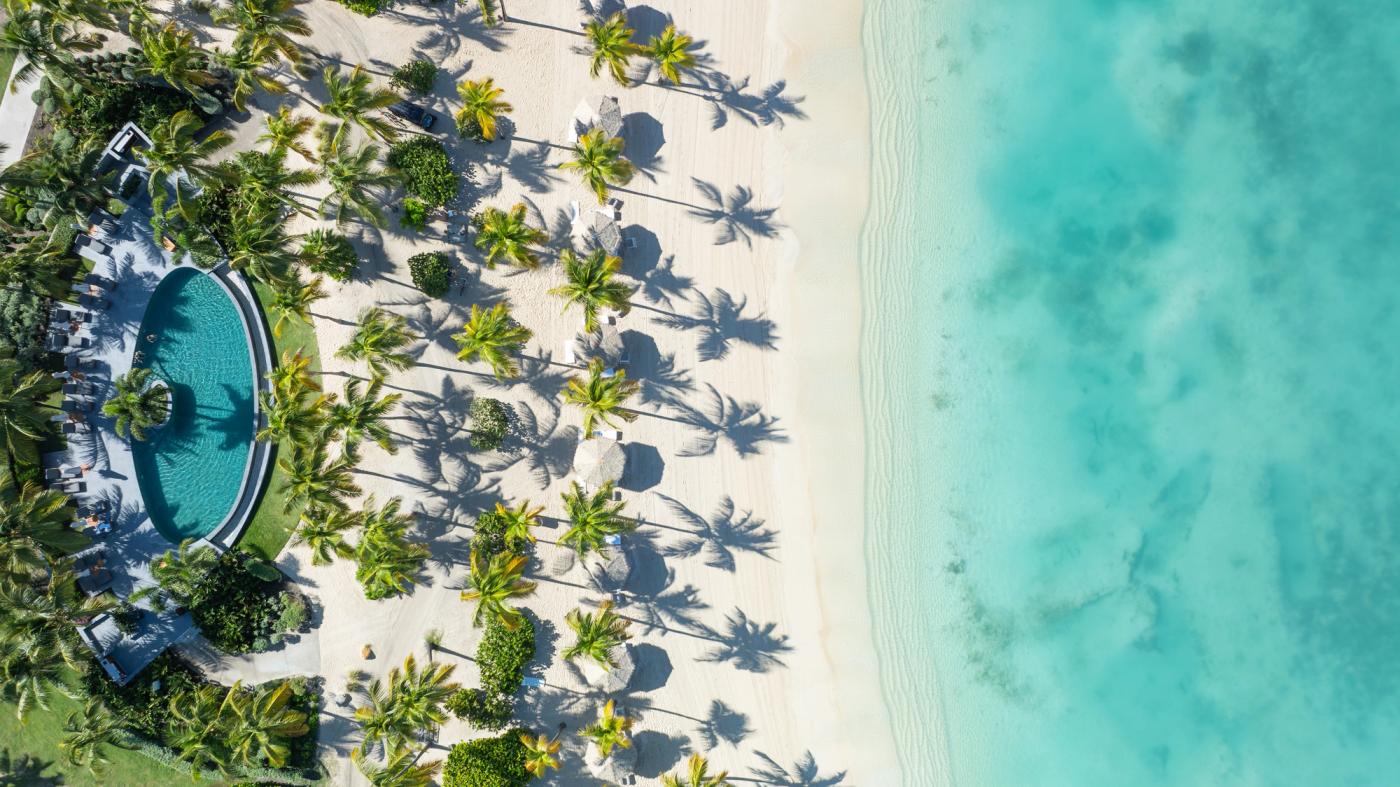
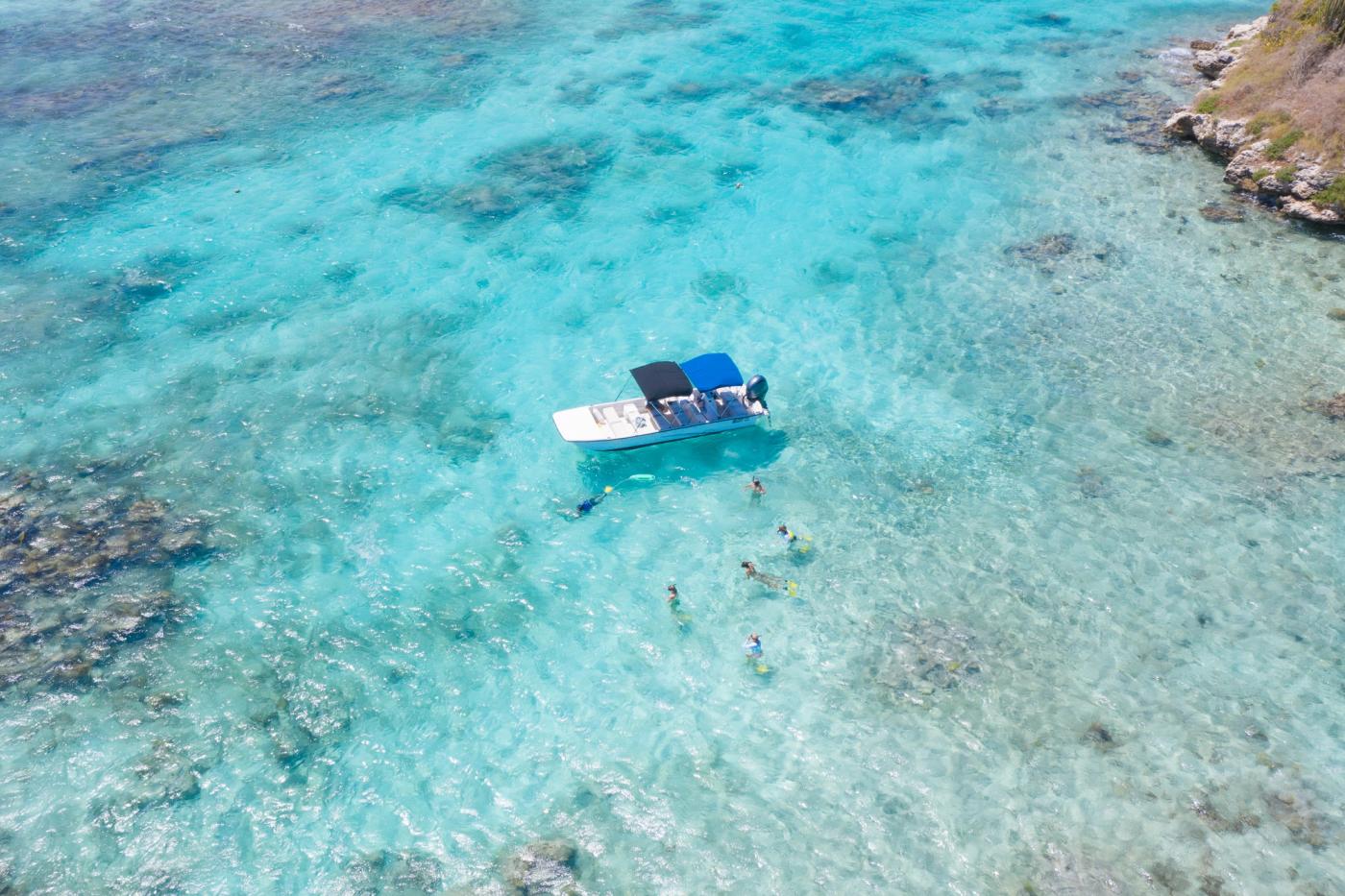
This is one of the property's real strengths. A celebration here gives every generation something specific to do.
Grandparents get the unhurried pace, the classic service, and an island small enough to move around comfortably. Parents get the spa and Wellness Pavilion, the Racquet Club, and the kind of quiet the resort is built around. Younger guests and children get the Kids Club, the Sailing Academy, tennis, and water activities, so the days between events are full without anyone planning them. And any guest who cares about the natural setting can join the coral-reef and nature programs or a botanical island tour.
That range is what lets a wedding here be a week the whole family enjoys, rather than a ceremony everyone travels to and then waits out.
How do guests get to Jumby Bay?
Antigua is one of the more reachable Caribbean destinations for a US guest list, with direct flights from several major hubs into V.C. Bird International Airport. English is the primary language, the tourism infrastructure is well established, and the destination is politically stable. Those are not glamorous facts, but they are the ones that decide whether your grandmother's travel day is simple or hard.
From the airport, guests transfer to the island by the resort's boat. Close enough to be easy, separate enough to be genuinely private. When you count the connections your guests will actually fly (a point worth weighing for any destination), Antigua sits on the friendlier end of the scale.
Is Jumby Bay Island right for your wedding?
It comes down to fit, so here is the straight version.
Jumby Bay is right for you if your style is already classic and you are not looking to invent an aesthetic on site. It is right if you want real privacy, up to and including taking the whole island. It is right if you are planning a celebration in the range of a few dozen to sixty guests, large enough to feel like a proper wedding and small enough that everyone knows each other. And it is right if you want Caribbean surroundings with European service behind them.
If your celebration is a high-energy party, or you want cutting-edge contemporary design, or you are looking for a blank-canvas venue to build something experimental, another property will serve that vision better. That is not a lesser wedding. It is a different one, and part of good planning is matching the place to the celebration rather than forcing it.
For the couple who wants classic Caribbean elegance done quietly, on a private island, with service that sets the standard rather than describing it, Jumby Bay is a rare match.
That match is exactly the kind of decision that gets easier when you have done the foundational work first. The Legacy Wedding Blueprint walks you through defining what your celebration needs to honor before you choose a property, so a place like Jumby Bay reveals itself as right for the right reasons. It is complimentary, and it pairs naturally with a conversation about destination wedding planning when you are ready to talk specifics. Couples drawn to Jumby Bay for a honeymoon rather than a wedding will find the same thinking behind our honeymoon planning.
Frequently asked questions
How many guests can you have at a Jumby Bay wedding? Jumby Bay suits celebrations from a few dozen up to around sixty guests, and hosts can reserve the entire island for complete privacy. The three accommodation tiers (Private Estates, Villas, and Cottages) let you house a multigenerational guest list across the island while keeping the couple and close family in the more private settings.
Can you buy out the entire island? Yes. Full-island buyout is available for weddings and celebrations. Group celebration bookings that fall short of a full buyout still start at a meaningful minimum across cottages, villas, or estates, with multi-night stay requirements, so this is a property you reserve a significant share of by design.
Is a Jumby Bay wedding all-inclusive? The stay is fully inclusive of meals, beverages, and most activities. The wedding itself, including private dinners and enhancements, is priced separately on top of the room rate. Planning the celebration budget as its own line, rather than assuming it sits inside the all-inclusive rate, is the way to avoid surprises.
How do you get to Jumby Bay Island? Guests fly into Antigua's V.C. Bird International Airport, reachable by direct flights from several major US hubs, then transfer to the island by the resort's private boat in under ten minutes. Everything and everyone reaches the island by water, which is part of what makes it feel so private.
Considering Jumby Bay for your celebration? Start with The Legacy Wedding Blueprint, then let's talk about whether this private-island approach fits the wedding you have in mind.
Related Reading: